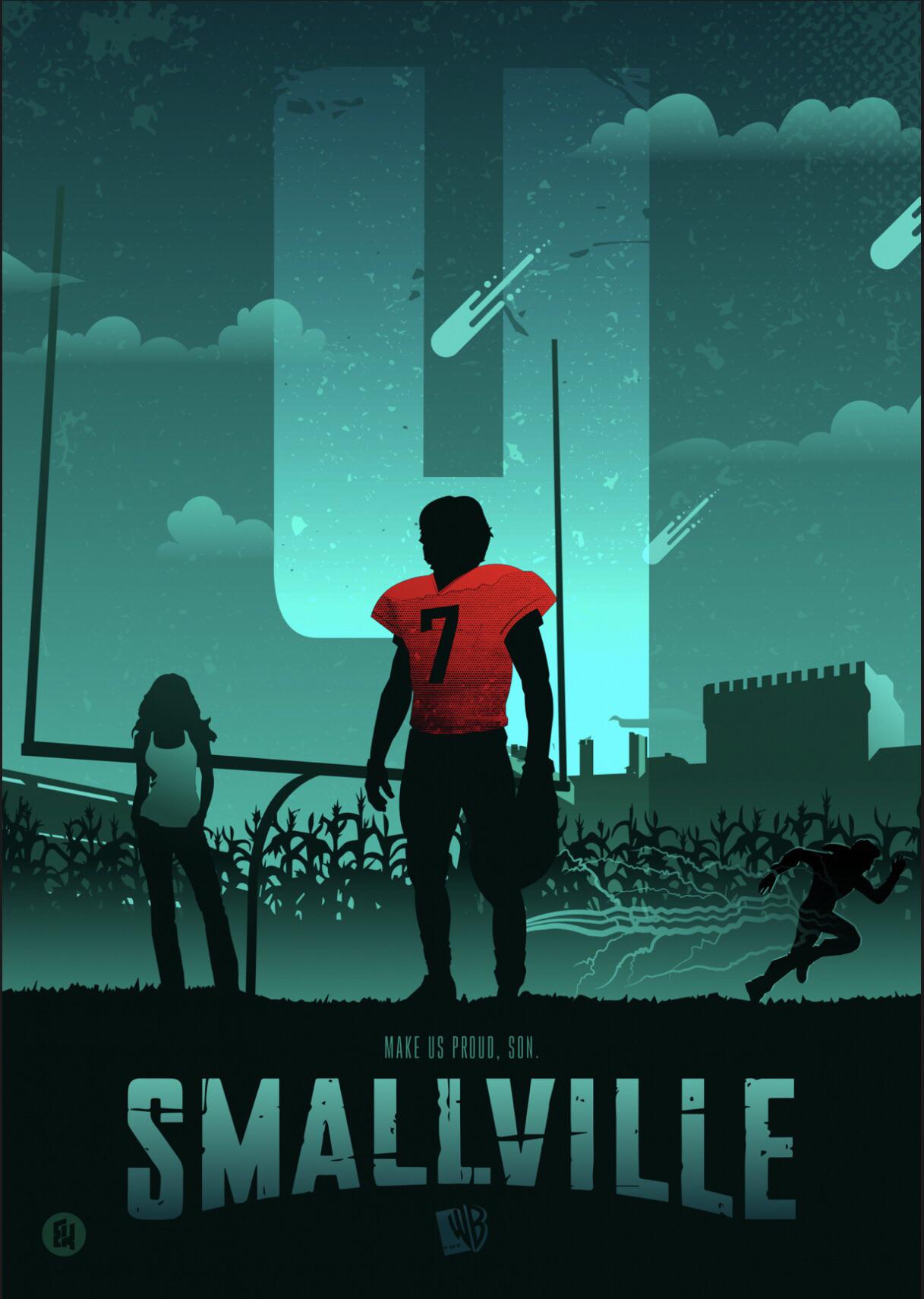
Welcome back to Rewatching Smallville, my weekly dive into the iconic series that explores Clark Kent’s journey before becoming Superman. Whether you’re a long-time fan or new to the show, you’re invited to join in each Tuesday as I revisit episodes and share my thoughts and observations. Be sure to share your own memories and theories in the comments below!
After “Gone” successfully established the new Season Four status quo with liquid metal assassins and shower-based hijinks, “Façade” arrives with perhaps the most 2004 premise imaginable: what if plastic surgery gave you the power to cause deadly hallucinations? It’s the kind of plot that could only work in the early 2000s, when reality TV was making cosmetic surgery mainstream and Smallville was still figuring out how to tackle social issues through the lens of meteor-powered mayhem.
Twenty years later, “Façade” stands as both a fascinating time capsule of mid-2000s beauty culture anxieties and a surprisingly effective character study disguised as a very special episode about self-acceptance. It’s also the episode where Lois Lane discovers high school social dynamics and decides to wage war against them, which is exactly the kind of chaos you’d expect from someone who considers military bases normal childhood environments.
The Transformation of Scabby Abby
Let’s start with the obvious: “Façade” gives us one of Smallville‘s most dramatic before-and-after reveals, transforming dowdy freshman Abigail Fine into a blonde bombshell whose kisses cause face-rotting hallucinations. It’s a premise that walks the line between social commentary and complete absurdity, and somehow manages to land on both sides simultaneously.
The opening flashback to freshman year 2001 establishes Abby’s origin story with the kind of brutal high school cruelty that feels authentic even within Smallville‘s heightened reality. When Brett Anderson pulls off the mascot head to reveal “Scabby Abby” underneath, complete with stringy hair and severe acne, it’s genuinely uncomfortable to watch. The scene works because it doesn’t try to soften the humiliation—Clark’s attempt to defend her falls flat, and Abby runs away crying because sometimes teenage cruelty doesn’t have neat resolutions.
Brianna Lynn Brown deserves credit for selling both versions of Abigail with equal conviction. As the dowdy freshman, she captures that particular teenage misery of being invisible except when you’re being mocked. As the transformed senior, she brings a nervous energy that suggests the new appearance hasn’t quite translated to new confidence. When she tells Clark she changed herself because she was “tired of sitting on the sidelines,” it’s delivered with just enough uncertainty to remind us that dramatic physical transformation doesn’t automatically fix emotional wounds.
The meteor-powered plastic surgery is peak Smallville science, combining legitimate body dysmorphia issues with supernatural consequences that would make even the CW’s current lineup say, “Maybe tone it down a bit.” Dr. Elise Fine’s procedure doesn’t just change Abby’s appearance—it turns her into a walking biological weapon whose kisses cause victims to see their faces rotting away. It’s the kind of monkey’s paw scenario that the show does best, where getting what you want comes with horrific unintended consequences.
Lois Lane vs. High School Social Engineering
Erica Durance continues to establish Lois as a force of nature who approaches civilian life like a military operation requiring immediate tactical analysis. Her reaction to learning she failed senior year and must attend Smallville High is perfectly in character—less devastated teenager and more annoyed soldier being reassigned to a particularly tedious posting.
When Lois delivers her rant about high school being “a façade full of people pretending to be something they are not,” it could easily feel like after-school special dialogue. Instead, Durance brings such genuine irritation to the line that it feels like the observation of someone who’s spent her formative years in environments where people’s roles were clearly defined by rank and function. The idea that teenagers would voluntarily engage in complex social hierarchies probably seems genuinely baffling to someone whose previous peer groups were determined by military protocol.
The episode also gives us Lois’s first venture into investigative journalism, though she approaches it less like Chloe’s methodical research and more like a reconnaissance mission. When she schedules a fake consultation with Dr. Fine, she’s not just gathering information—she’s going undercover to expose what she sees as predatory behavior. The fact that she brings a tape recorder shows she’s thinking like a journalist, even if she doesn’t realize it yet.
Her near-death experience in Dr. Fine’s plastic surgery machine provides some genuine suspense, particularly when the green gas starts filling the room and Clark gets incapacitated. Lois kicking Dr. Fine away and helping Clark escape feels like a natural extension of her military training—when things go wrong, you adapt and overcome rather than waiting for rescue.
Clark Kent’s Football Fever Dream
The episode opens with Clark literally throwing passes to himself while daydreaming about being a college football star, which is either adorable or concerning depending on how you feel about teenage boys with god-like powers fantasizing about athletic dominance. The announcer’s play-by-play in Clark’s imagination—”Kent takes the step from his own ten-yard line… He’s going to catch his own pass!”—is wonderfully absurd, especially the part where Clark apparently runs fast enough to catch his own Hail Mary throw.
Jonathan’s concerns about Clark joining the football team provide some of the episode’s most grounded emotional moments. When he tells Clark he’s worried about him getting “caught up in the game and doing anything to win,” it’s not just about football—it’s about the broader challenge of a superpowered teenager learning to function in normal social situations without revealing his abilities or developing a superiority complex.
The permission slip subplot gives us Jason Teague correctly guessing that Clark doesn’t have parental permission but letting him try out anyway, which is either good coaching instincts or a complete abdication of adult responsibility. Jensen Ackles plays the moment with just enough casual authority to suggest that Jason sees something special in Clark, though whether that’s football potential or something else remains unclear.
Clark’s final decision to stay on the team despite disappointing his father feels like genuine character growth. When he tells Jonathan he’s “sorry to disappoint him” but he’s staying on the team, it’s one of the few times Clark actively chooses his own desires over his father’s concerns. The fact that Jonathan ultimately accepts this decision suggests he recognizes that Clark needs normal teenage experiences, even if they come with superhuman complications.
The Lana/Jason Romance Industrial Complex
Jensen Ackles brings considerable charm to Jason Teague, but “Façade” continues building what feels like a romantic subplot designed more to create obstacles than to develop characters. Jason’s surprise appearance with roses and his explanation that he followed Lana to Smallville rather than trying to convince her to return to Paris hits all the romantic gesture checkboxes while raising several red flags about healthy relationship boundaries.
The scene where Jason gives Lana a birthday surprise in the old drama room is effectively staged, particularly the way it builds anticipation before Abby’s toxic kiss interrupts the moment. The mirror falling on Lana and shattering creates a striking visual, though at the time it just looks like really unfortunate timing.
Lana’s post-hallucination conversation with Jason about whether he only likes her for her looks provides some genuine emotional depth to their relationship. When she asks if her ordeal makes him question his feelings, and he assures her that he loves her personality, it’s one of the few moments where their connection feels based on actual compatibility rather than plot convenience.
However, the episode also continues building the mystery around Lana’s tattoo and her connection to Countess Isobel Thoreaux. Dr. Fine’s revelation that the mark isn’t ink but rather “branded underneath her skin” adds supernatural weight to what seemed like a simple tattoo, setting up storylines that will require increasingly elaborate explanations to maintain dramatic tension.
Dr. Fine’s Beauty and the Beast Laboratory
Julianne Christie brings appropriate menace to Dr. Elise Fine, a plastic surgeon who’s turned her own daughter into a guinea pig for meteor-enhanced cosmetic procedures. Her philosophy that “the only people who say beauty is on the inside are the ones who already have it on the outside” is cynical enough to feel realistic while being wrong enough to serve as clear antagonist motivation.
The plastic surgery laboratory feels like something out of a science fiction horror film, with its network of green glowing tubes and needles that descend on victims like mechanical spiders. When Dr. Fine tells the unconscious Lois that she will “destroy her beauty” and make her learn “what Abby had been through,” it’s genuinely threatening in a way that goes beyond typical Smallville villain speeches.
The revelation that Dr. Fine is manipulating Abby by threatening to return her to her previous appearance if they get caught adds psychological abuse to the list of her crimes. When she tells Abby that Brett “deserved it anyway” and they need to “get Lana out of the way,” she’s not just justifying murder—she’s teaching her daughter that other people’s lives are acceptable collateral damage for maintaining their secret.
The green gas that incapacitates Clark when he tries to rescue Lois provides a nice callback to his kryptonite vulnerability while establishing that Dr. Fine’s procedures involve more than just cosmetic enhancement. The fact that the machinery continues operating even after Clark damages it suggests a level of automation that makes the whole setup feel appropriately sinister.
Supporting Characters and Smallville Social Dynamics
The episode does solid work establishing the broader Smallville High social ecosystem, particularly through characters like Brett Anderson, who gets to experience both sides of teenage cruelty. Lee Rumohr sells Brett’s transformation from cocky bully to terrified victim effectively, and his panic after seeing his hallucinated reflection feels genuine rather than comedic.
Martha’s new job at the Talon provides some welcome practical grounding for the Kent family’s financial situation. When she tells Jonathan they need the extra income to cover his hospital bills, it’s a reminder that even superpowered teenagers come from families with real-world concerns. Jonathan’s initial resistance followed by acceptance suggests he’s learning to balance pride with pragmatism.
General Sam Lane’s continued presence in the narrative through his cigar brand appearing in Lex’s office adds layers to the show’s conspiracy elements without requiring extensive exposition. The detail suggests ongoing collaboration between military and corporate interests that will presumably become relevant in future episodes.
The episode also benefits from small character moments that feel authentic, like Chloe’s enthusiasm about Lois joining the Torch staff or Clark’s genuine confusion about high school social dynamics. These moments help ground the more fantastical elements in recognizable teenage experiences.
Technical Achievement and Visual Storytelling
Director Pat Williams deserves credit for handling the episode’s tonal shifts effectively, moving between high school comedy, romantic drama, and body horror without losing narrative coherence. The transformation scenes use practical effects and makeup work that sells the horror of the characters’ hallucinations while maintaining the show’s generally family-friendly tone.
The mirror sequence where Lana sees her face rotting is particularly effective, using reflection and lighting to create genuine unease. When the mirror falls and shatters, trapping Lana underneath, it creates a striking visual that works both as immediate drama and symbolic foreshadowing.
The football sequences feel appropriately energetic without overemphasizing Clark’s superhuman abilities. The tryout scenes focus more on his enthusiasm and natural athleticism rather than impossible feats of strength, which helps maintain the illusion that he could plausibly be a normal high school player.
Mythology Building and Thematic Resonance
“Façade” works as both standalone episode and series mythology building, particularly in its exploration of identity and transformation themes that will become increasingly important as Clark’s journey toward Superman continues. The idea that dramatic external change doesn’t automatically resolve internal conflicts feels especially relevant for a character who’s literally becoming someone else.
The episode’s title works on multiple levels—Abby’s literal façade through plastic surgery, the superficial nature of high school social hierarchies, and the broader theme of people pretending to be something they’re not. Even Clark’s football dreams represent a kind of façade, the fantasy of being a normal teenager with normal achievements.
The connection between physical transformation and psychological consequences also echoes broader Smallville themes about power and responsibility. Abby’s new abilities come with deadly side effects she can’t control, much like Clark’s developing powers require constant vigilance to avoid harming others.
Cultural Context and Beauty Standards
“Façade” aired during a period when reality shows like Extreme Makeover and The Swan were making cosmetic surgery part of mainstream television entertainment. The episode’s treatment of plastic surgery as potentially predatory rather than empowering feels prescient given later cultural conversations about beauty standards and body dysmorphia.
Lois’s speech about beauty being “on the inside” could easily feel preachy, but the episode earns it by showing the genuine psychological damage caused by appearance-based bullying. When Abby explains that she changed herself because she was tired of being invisible, it’s a motivation that feels authentic even within the show’s supernatural framework.
The episode also explores the idea that external validation doesn’t automatically translate to internal confidence. Abby’s nervous energy after her transformation suggests that changing her appearance hasn’t resolved the underlying issues that made her vulnerable to bullying in the first place.
Why “Façade” Works
“Façade” succeeds because it uses its fantastical premise to explore genuine teenage anxieties about acceptance, identity, and self-worth. Yes, the meteor-powered plastic surgery is ridiculous, but the emotional core—a teenager so desperate to fit in that she’s willing to let her mother experiment on her—feels grounded in recognizable human behavior.
The episode also benefits from strong performances across the cast, particularly Erica Durance’s continued establishment of Lois as a character who brings outside perspective to Smallville‘s insular dynamics. Her genuine confusion about high school social hierarchies provides both comedy and insight into how arbitrary these systems can appear to outsiders.
Most importantly, “Façade” maintains the show’s commitment to character development within its superhero framework. Clark’s football subplot, Lois’s journalism instincts, and even Lana’s relationship with Jason all feel like natural extensions of ongoing character arcs rather than plot devices designed to facilitate weekly adventures.
The Verdict
“Façade” is Smallville successfully tackling social issues through its unique lens of meteor-powered metaphors and teenage superhero drama. It’s an episode that works both as entertainment and as commentary on beauty standards, peer pressure, and the lengths people will go to for acceptance.
The episode stands as evidence that the show’s fourth season was finding its footing with new characters and dynamics while maintaining the emotional authenticity that made earlier seasons compelling. Yes, it’s absurd that plastic surgery can give you deadly kiss powers, but it’s also moving that the show treats teenage insecurity with genuine empathy rather than dismissive humor.
Just maybe don’t think too hard about the medical ethics of a plastic surgeon who experiments on her own daughter, or how Dr. Fine managed to develop meteor-enhanced surgical techniques without anyone in the medical community noticing. Some things are better left to suspension of disbelief and really good makeup effects.
The real question is: in a world where teenagers regularly develop supernatural powers from meteor exposure, why would anyone think cosmetic surgery enhanced with the same meteors would be a good idea? But then again, if people in Smallville made consistently rational decisions, we wouldn’t have much of a show.
Be sure to share your thoughts and memories of “Façade” in the comments below! Did the episode’s take on beauty standards and high school social dynamics resonate with you, or did the plastic surgery premise feel too over-the-top even for Smallville? And what did you think of Lois’s first foray into investigative journalism?
 The Confusing Middle

I remember Scabby Abby. Almost as silly as the hunger episode from season 1.
LikeLiked by 1 person